Choosing the Right School: The Features That Shape a Child’s Future
January 7, 2026 2026-04-13 17:44Choosing the Right School: The Features That Shape a Child’s Future
Choosing the Right School: The Features That Shape a Child’s Future
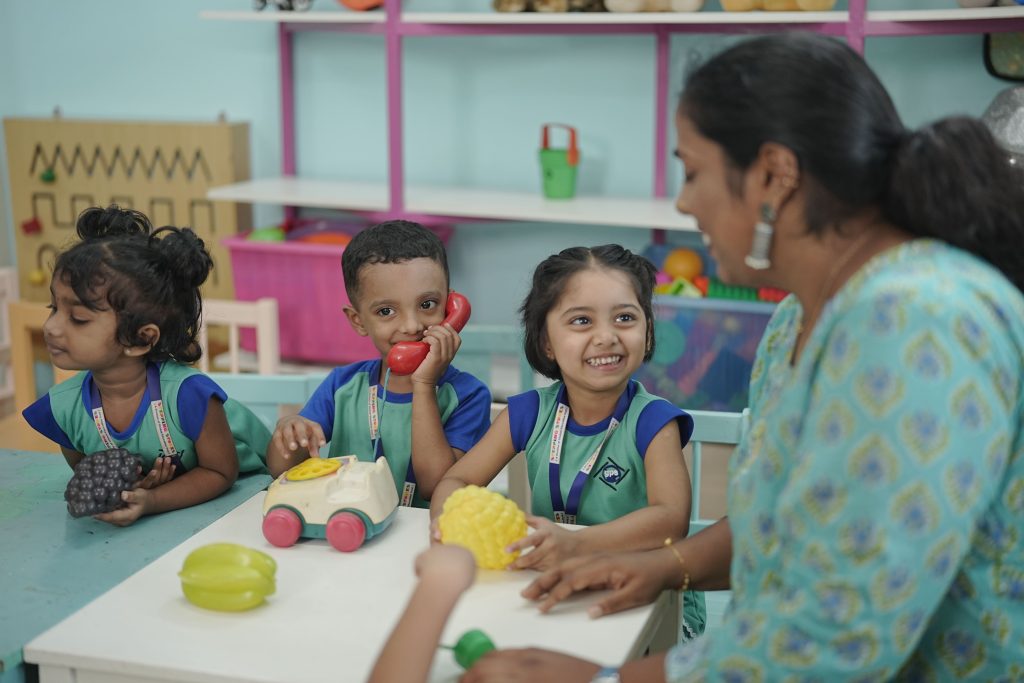
Choosing the right school is one of the most important decisions a parent makes. With so many options available today, identifying the features of a good school can feel overwhelming. The best schools do far more than teach, they nurture curiosity, build values, ensure safety, and prepare children for life.
Whether you are exploring neighbourhood schools or international programmes like the IB, knowing what truly matters can help you make an informed, confident choice.
This guide highlights the best school features every parent should look for, from academics and infrastructure to culture, accessibility, and holistic development.
1. A Strong Academic Foundation
Every school will have textbooks, classrooms, and teachers, but the approach to learning makes all the difference.
A good school offers:
- Innovative teaching methods
- A personalised learning approach
- Consistent, structured academic support systems
Opportunities for inquiry, research, and independent thinking
Look for schools that go beyond rote learning and help students understand concepts deeply.
Schools offering modern frameworks (like the IB PYP, MYP, or DP) emphasise critical thinking, reflection, and concept-based learning, skills needed for a rapidly changing world.
2. Holistic Development in Schools
A strong academic programme is only one part of a well-rounded education.
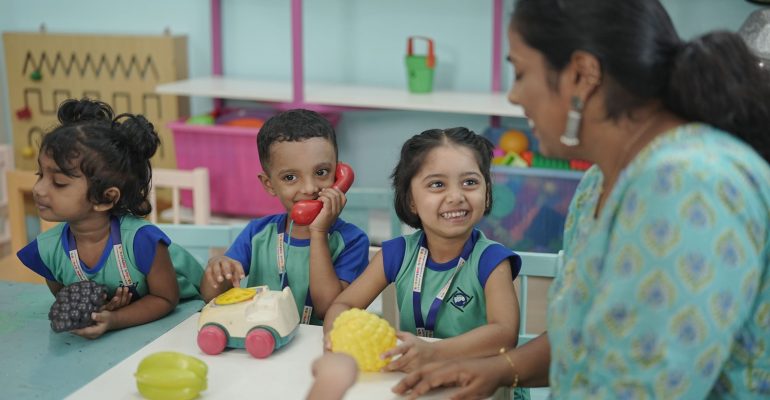
The best schools ensure holistic development, building a child’s intellect, creativity, physical abilities, emotional wellbeing, and social skills.
Holistic development often includes:
- Arts, music, and drama
- Sports and physical education
- Clubs and societies
- Service learning
- Leadership opportunities
Research shows that students involved in well-rounded activities perform better academically and socially. So, when choosing the right school, look for one that encourages the whole child, not just academic grades
3. Modern Learning Spaces & Infrastructure
A school’s infrastructure is more than just buildings. It represents the kind of learning experience your child will receive daily.
Look for:
- Modern learning spaces like smart classrooms and STEM labs
- Well-resourced libraries
- Safe playgrounds and sports facilities
- Creative studios for art, music, and drama
- Technology-enabled learning tools
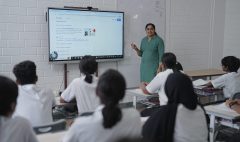
The environment should encourage exploration, collaboration, and creativity, features found in many leading international schools today.
4. A Safe and Supportive School Atmosphere
A strong school environment and culture is at the heart of a child’s growth.
Children learn best when they feel safe, valued, and supported.
Essential indicators include:
- CCTV-monitored campus
- Trained security staff
- Transparent communication with parents
- Strict child-safety policies
- Emotional and behavioural support systems
A safe and supportive school atmosphere helps children build confidence, friendships, and a positive attitude towards learning.
5. Value-Based Education & Positive Culture
Along with academics, a school must instill values that shape character.
A good school teaches:
- Respect
- Empathy
- Responsibility
- Integrity
- Cultural understanding
Many parents today look for schools with a culture of kindness, inclusivity, and global awareness, qualities that prepare children for the interconnected world ahead.
6. Qualified & Inspiring Teachers
Teachers are the backbone of any school.
When evaluating a school, look for:
- Experienced and trained educators
- Teachers skilled in inquiry-based and student-led pedagogies
- Continuous professional development programmes
- Open communication and feedback practices
Great teachers don’t just teach, they inspire, guide, and mentor.
7. Transportation and Accessibility
Convenience and safety matter greatly, especially for working parents. Reliable transportation and accessibility ensure children arrive at school safely and on time.
A good transport system includes:
- GPS-enabled buses
- Attendants and trained drivers
- Safe pick-up and drop-off procedures
- Coverage across key neighbourhoods
Proximity to the school can also reduce travel fatigue and support better learning outcomes.
8. Transparent Communication & Parent Engagement
Schools and parents must work as partners. Look for institutions that maintain:
- Regular updates
- Parent-teacher meetings
- Digital portals for progress tracking
- Events and workshops
Open communication builds trust and keeps families involved in a child’s learning journey.
How GPS Brookes Kochi Stands Out
At GPS Brookes Kochi, each of these features is carefully integrated into our learning environment:
- Internationally aligned curriculum
- Inquiry-driven teaching methods
- Modern infrastructure and collaborative learning spaces
- Strong student wellbeing and safety protocols
- A positive culture grounded in global values
- Dedicated, trained faculty
- Wide transportation network
We believe that school should be a place where children feel inspired, challenged, and cared for, every single day.
Choosing the Right School Begins with Asking the Right Questions
The features of a good school go beyond academics. Look for places that nurture character, values, curiosity, and confidence, while ensuring safety and offering opportunities for children to grow in every way.
A school is not just a place of learning, it’s a place where futures are shaped.